RestoreYourSleepToday
Evidence-Based Sleep & Wellness Since 2018
RestoreYourSleepToday
Evidence-Based Sleep & Wellness Since 2018
You are reading: SLEEP HEALTH & BETTER BREATHING › Sleep Apnea Research
SLEEP HEALTH RESEARCH
“Millions Of Adults Over 40 Wake Up With Neck Pain Every Day — Experts Say Your Sleeping Position May Be The Real Reason”
New research suggests that poor sleeping support may keep the neck and cervical spine under constant pressure for up to 8 hours every night — causing stiffness, tension, headaches, and exhaustion that gradually build over time.

Dr. David Anderson, Board-Certified Sleep Medicine Specialist
9 min read

By Dr. Michael Torres, Board-Certified Sleep Medicine Specialist
6 min read
Stock: Shutterstock / Unsplash.

Photo: 39 millions of Americans are affected by Neck pain
The amount of sleep you're getting may not be the real problem.
What’s happening to your neck while you sleep might be.
If you're reading this, chances are you already know the feeling.
You wake up in the morning and before you even get out of bed, you feel it:
that stiffness and tension in your neck.
Maybe it takes a few minutes before you can comfortably turn your head. Maybe your shoulders feel tight. Maybe your neck already feels sore and exhausted before your day even begins.
You slowly sit up, stretch carefully, and hope the tension loosens up after moving around for a while.
And eventually it does.
Until the next morning, when it all comes back again.
If this sounds familiar, you're not alone.
If this sounds like your life, there's something important you need to know:
More than 1 billion people worldwide
Millions of adults over 40 wake up every morning with neck pain — a problem that can keep pressure and tension on the cervical spine all night long while they sleep.
Most of them have no idea.
Not because neck pain is rare.
But because the real cause often happens while they’re sleeping — and by the time they wake up, all they notice is the stiffness, tension, headaches, and exhaustion hitting them again.
⚡ Still waking up exhausted because of sleep apnea? Discover the sleep solution helping thousands breathe better and sleep deeper — check current availability below.
When your neck stays under pressure night after night, your body never fully recovers. Over time, that neck pain and stiffness can affect your energy, mobility, sleep quality, and even simple daily activities.
Every time your body stays in a poor sleeping position — even for a few minutes — pressure builds in your neck and cervical spine. Your muscles tighten, your joints become stiff, and your body struggles to fully recover during the night.
Most people don’t realize it’s happening while they sleep. But night after night, that pressure can continue building for hours.
The cumulative effect on your body is significant:
On your neck: Your body responds to poor sleeping posture with constant muscle tension and pressure on the cervical spine. Night after night, this creates stiffness and stress in your neck, making it harder for your body to fully recover.
On your daily life: Chronic neck pain during sleep can prevent your body from fully resting and recovering overnight. Poor sleep quality and constant discomfort may leave you feeling mentally drained, physically exhausted, and low on energy throughout the day.
On your body: Sleeping with constant neck pressure can slowly wear down your muscles and joints night after night. Instead of waking up refreshed, many people wake up feeling sore, stiff, and already exhausted before the day even begins.
On your mood: Chronic neck pain and poor sleep can slowly affect your emotional well-being over time. Constant discomfort during the night may leave you feeling irritable, frustrated, mentally drained, and emotionally exhausted throughout the day.
The most unsettling part? Many people live with lower back pain for years — sometimes even decades — without realizing that their sleeping posture and lack of proper nighttime support may be contributing to their daily discomfort, fatigue, stiffness, and reduced mobility.
Because the strain builds gradually during sleep, many people only notice the symptoms later — waking up with back tension, soreness, poor energy, and pain that follows them throughout the day.
Take a moment to consider how many of these apply to you:
Because neck tension often builds slowly during sleep without fully waking the person up, many people only recognize the problem through the stiffness, soreness, and headaches they feel in the morning and throughout the day.
Take a moment to consider how many of these symptoms apply to you:
Stock: Shutterstock / Unsplash.
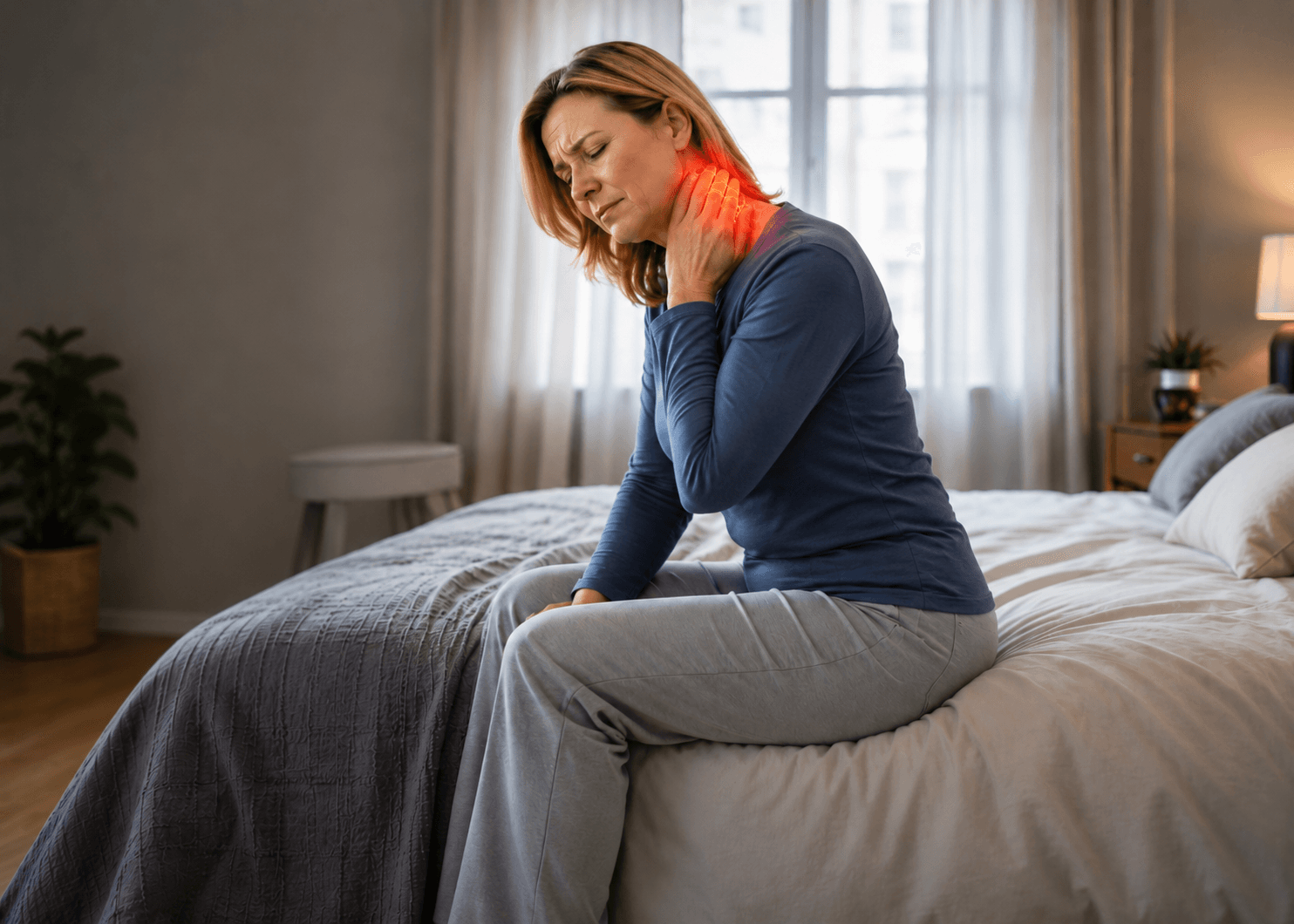
Fig. 1 — Cervical alignment: standard pillow vs. ergonomic contoured support.
Morning symptoms:
• Waking up with neck stiffness or pain
• Tight muscles or soreness when getting out of bed
• Feeling tired even after a full night of sleep
• Difficulty turning your head comfortably in the morning
• Feeling physically exhausted during the first hour of the day
Daytime symptoms:
• Constant neck discomfort throughout the day
• Pain when turning your head or sitting too long
• Difficulty concentrating because of ongoing discomfort
• Irritability, frustration, or low energy from poor sleep
• Feeling like your body never fully recovers
Nighttime symptoms:
• Tossing and turning trying to find a comfortable position
• Waking up during the night because of neck discomfort
• Restless sleep and constant repositioning
• Pressure or tension building in the cervical area while sleeping
• Waking up with tangled sheets from moving too much at night
If you recognized three or more of these symptoms, it may be worth taking a closer look at what’s happening to your body while you sleep — because the chances that your sleeping posture and nighttime support are affecting your neck can be significant.
One of the most common causes of nighttime neck discomfort is poor cervical alignment during sleep.
When you lie down, your neck, shoulders, and cervical spine depend on proper support to stay in a natural position throughout the night.
In a healthy sleeping posture, the cervical spine stays aligned and pressure is distributed more evenly across the body.
But when your body falls out of alignment — which often happens with poor sleeping posture or inadequate support — extra pressure builds in the neck, creating tension, stiffness, and discomfort that can continue into the next day.

“Most people who struggle with neck pain don’t realize the issue often has less to do with aging or daily activity — and more to do with poor sleeping posture and lack of proper nighttime support. By the time they start looking for answers, they’ve already tried stretches, pain creams, massage devices, and nearly every ‘neck pain solution’ they could find online.”
Dr. Daniel Harris, Board-Certified Sleep Health Specialist
Why Your Sleeping Position May Be Making Your Neck Pain Worse
Research consistently shows that poor sleeping posture and cervical misalignment can make neck pain significantly worse — especially when the neck and shoulders lose proper support during the night.
In simple terms: keep your neck and cervical spine properly aligned while you sleep, and your body experiences less pressure and tension overnight.
The challenge is that most standard pillows and sleep setups — even many marketed as “ergonomic” or “orthopedic” — are not truly designed to maintain healthy cervical alignment as your body changes positions throughout the night.
Most pillows flatten and shift under pressure. The support your neck had when you first fell asleep is often gone a few hours later.
This means extra strain continues building in the neck night after night — not necessarily because of age, but because your sleeping support isn’t doing its job properly.
If you’ve searched for solutions before, you’ve probably already tried stretching routines, heating pads, massage tools, pain creams, or temporary fixes.
And while some may provide short-term relief, many people find the discomfort keeps coming back because the real issue during sleep was never fully addressed.
For people dealing with mild to moderate neck discomfort, improving sleeping posture and nighttime cervical support has become one of the most recommended first steps for reducing pressure naturally while the body rests.
That’s where proper neck and cervical alignment has shown some of its most promising results.
What sleep specialists and physical therapists continue to find is that maintaining better body alignment during sleep helps reduce pressure on the neck, relax tense muscles, and support more comfortable recovery overnight.
A properly designed sleep support system helps accomplish this through several important support features:
A contoured central cradle that holds the head in neutral alignment — neither tilted back (which drops the tongue into the airway) nor pushed forward (which creates a different form of obstruction)
Graduated support zones that adjust as your body shifts between different sleeping positions, helping maintain better neck and cervical alignment throughout the night — because neck pressure and discomfort often worsen when support changes as you roll over during sleep.
A shoulder arch release area that prevents the forward shoulder collapse that pulls the neck out of alignment and narrows the throat from the outside in
High-density memory foam with shape retention — meaning the support is identical at 2am as it was when you first lay down, which is critical for maintaining airway patency throughout the entire sleep cycle
Research consistently shows that poor sleeping posture and cervical misalignment can make neck pain significantly worse — especially when the neck and shoulders lose proper support during the night.
In simple terms: keep your neck and cervical spine properly aligned while you sleep, and your body experiences less pressure and tension overnight.
The challenge is that most standard pillows and sleep setups — even many marketed as “ergonomic” or “orthopedic” — are not truly designed to maintain healthy cervical alignment as your body changes positions throughout the night.
Most pillows flatten and shift under pressure. The support your neck had when you first fell asleep is often gone a few hours later.
This means extra strain continues building in the neck night after night — not necessarily because of age, but because your sleeping support isn’t doing its job properly.
If you’ve searched for solutions before, you’ve probably already tried stretching routines, heating pads, massage tools, pain creams, or temporary fixes.
And while some may provide short-term relief, many people find the discomfort keeps coming back because the real issue during sleep was never fully addressed.
For people dealing with mild to moderate neck discomfort, improving sleeping posture and nighttime cervical support has become one of the most recommended first steps for reducing pressure naturally while the body rests.
That’s where proper neck and cervical alignment has shown some of its most promising results.
What sleep specialists and physical therapists continue to find is that maintaining better body alignment during sleep helps reduce pressure on the neck, relax tense muscles, and support more comfortable recovery overnight.
A properly designed sleep support system helps accomplish this through several important support features:
What Users Are Saying
“I’ve struggled with neck pain for the past two years. I tried stretches, pain creams, heating pads, and different pillows, but I still woke up sore and exhausted every morning. A sleep coach I follow online talked about how sleeping posture affects neck pressure and recommended this support pillow specifically. I’ve been using it for three months now. I wake up with far less stiffness, my neck feels more supported during the night, and for the first time in years I actually feel rested when I get out of bed. I don’t know if all my pain is gone yet, but I honestly feel like a different person.”
★★★★★ -- Jennifer Adams., 53, Michigan
“My husband had been dealing with neck pain for years. He tried stretching routines, pain relievers, and even changing pillows, but he still woke up sore and exhausted every morning. A sleep specialist mentioned that poor sleeping posture and lack of proper support could be making his neck pain worse and suggested trying a support pillow before looking into more aggressive treatments. We ordered this one. Six weeks later he’s sleeping through the night, waking up with far less stiffness, and actually feeling rested for the first time in years. Even his physical therapist was impressed during his follow-up.”
★★★★★ -- Monica W., 55, Tennessee
“I didn’t have an official diagnosis, but I had all the symptoms — waking up with neck pain, feeling exhausted all day, and constantly struggling with stiffness every morning. It was starting to affect my daily life. I wasn’t ready for injections or stronger treatments yet, so I decided to try this support pillow first. Within two weeks I noticed less morning pain, better sleep, and far less tension in my neck when I woke up. I still plan to see a specialist, but this honestly changed my life in the meantime.”
★★★★★ -- Denys D., 51, Colorado
What Actually Works
If you recognized yourself in any of the symptoms above — the morning stiffness, the neck pain, the exhaustion, or the discomfort that follows you throughout the day — you already know this isn’t something you should keep ignoring.
The good news is that for many people dealing with mild to moderate neck discomfort, improving sleeping posture and nighttime cervical support can produce real, noticeable results — without medications, complicated treatments, or invasive procedures.
One of the products generating the most positive feedback in this space is the Derila Ergo Pillow — a specially designed ergonomic support pillow created to help maintain healthier neck and cervical alignment and reduce pressure on the neck throughout the night.
It’s currently available at a major discount, with free shipping and a full money-back guarantee.
That gives you enough time to truly see whether your sleep quality, morning stiffness, energy levels, and neck discomfort begin improving. If not, you simply return it.
Considering what chronic neck tension and poor sleep can do to your body, mobility, and daily quality of life over time, giving your body proper nighttime support with the Derila Ergo Pillow for a few weeks could make a very real difference.
Maintains the natural curve of your cervical spine in both side and back sleeping positions
Releases tension from shoulder muscles by providing targeted support at the shoulder arch
Keeps your airways open and properly aligned, reducing snoring and improving overnight oxygen recovery
Prevents the "sinking" effect — high-density foam holds its shape through thousands of hours of use
The Specific Pillow Getting Attention From Sleep Specialists
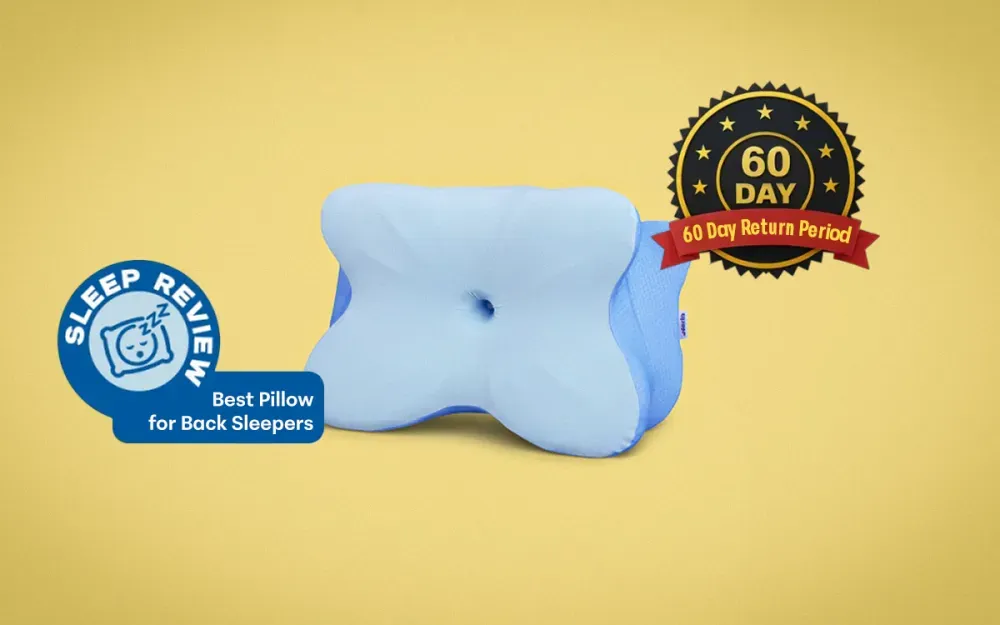
Derila Ergo Memory Foam Pillow
Ergonomic Design
High-Density Foam
70% OFF Today
60-Night Trial
Designed specifically around the principles of cervical alignment, this pillow is currently available with a significant discount and a full 60-day money-back guarantee. Either it works — or you return it and pay nothing.
Ready to Sleep Without Interrupted Breathing?
Join thousands of Americans who've made the switch — and finally understand what a well-rested morning feels like.
🔒 Limited time offer — 70% OFF + Free Shipping + 60-Day Money-Back Guarantee
One last thought before you go:
Lower back pain rarely improves when the pressure and poor sleeping posture continue night after night. Every night your body sleeps without proper spinal support is another night of tension, stiffness, poor recovery, and gradual strain building in your lower back over time.
If there’s a simple, risk-free way to help improve your spinal alignment and nighttime support — with the Derila Ergo Pillow and a 60-night guarantee that removes all financial risk — it may be worth giving your body the support it’s been missing while you sleep.— the only question is why you'd wait.
✓ Free Shipping · ✓ 60-Day Guarantee · ✓ Secure Checkout
Important: If symptoms are severe, please consult a qualified sleep medicine physician.
Disclosure: This article may contain affiliate links. We may receive a commission if you purchase through our links, at no additional cost to you. Our editorial evaluations are independent of commercial relationships. This content is for informational purposes only and does not constitute medical advice.
© 2026 emilycarterwelness.com · Independent Sleep & Wellness Research · Privacy Policy · Affiliate Disclosure